08.31.26
The psychology behind casino game choices
The allure of chance and risk
The allure of casino games often lies in the innate human attraction to chance and risk. The uncertainty of outcomes can evoke a thrilling sense of excitement and anticipation. For many individuals, the prospect of winning and the potential for life-changing sums of money create a powerful draw. This risk-taking behavior is often influenced by psychological factors such as sensation-seeking, where individuals desire novel and intense experiences, making games of chance particularly appealing. Players looking for the best online pokies australia payid can find themselves captivated by these elements, which combine to foster an environment where the thrill of gambling becomes an irresistible temptation for many.
Additionally, the concept of loss aversion plays a significant role in gaming behavior. Players are often more motivated to avoid losses than to achieve gains, which can lead to a greater propensity to gamble. This phenomenon is frequently observed in players who continue to bet in hopes of recovering lost funds, despite the odds being against them. The emotional connection to risk and loss can heavily influence choices in game selection, with many players gravitating towards games that offer both high stakes and the tantalizing thrill of potential win. This psychological dynamic can lead to a cycle of behavior that perpetuates gambling even when it may not be in the player’s best interest.
Furthermore, the environment of the casino itself is meticulously designed to enhance this allure. Bright lights, vibrant colors, and engaging sounds create an immersive experience that amplifies the excitement surrounding chance. This sensory overload can lead to an altered state of consciousness where players feel a heightened sense of euphoria, compelling them to play longer and select games that sustain this euphoric feeling. The psychology of chance and risk thus plays a crucial role in determining the types of games players are drawn to in casinos. This attraction is not merely a matter of luck; it is deeply rooted in the psychological framework that governs human behavior.
Personal preferences and game types
Individual preferences heavily influence the selection of casino games. Factors such as personality traits and past experiences can shape one’s affinity for certain types of gaming. For example, more extroverted individuals may prefer social games that involve interaction, such as poker, while introverted players might gravitate towards solitary experiences like slot machines. These tendencies reflect deeper psychological underpinnings that guide players toward games that align with their social comfort zones. Understanding these preferences is essential for casinos looking to cater to diverse audiences and enhance player satisfaction.
Additionally, the demographic characteristics of players, including age and cultural background, can also dictate game preferences. Younger players may be more attracted to fast-paced, visually stimulating games that feature advanced technology and graphics, while older players might favor traditional games like blackjack or roulette. This segmentation further emphasizes the connection between personal identity and choice, as individuals often seek games that resonate not only with their tastes but also with their cultural or communal ties. Casinos that recognize and adapt to these preferences can create a more engaging experience for all players.
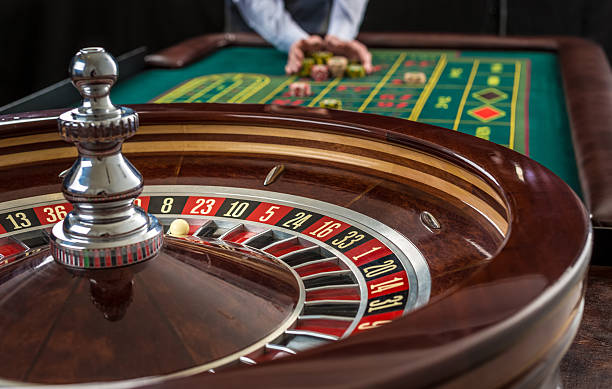
Emotions play a vital role in how choices are made in a casino. Players often choose games based on their current emotional state, which can be influenced by external factors and personal circumstances. For instance, someone seeking relaxation may prefer slower-paced games that require less mental strain, whereas an individual looking for excitement might choose games with higher volatility and potential rewards. This emotional strategy enhances the gaming experience, as players subconsciously align their selections with their present moods, making their choices more satisfying and enjoyable. Such insights into player psychology can help casinos tailor their offerings to better align with the emotional landscape of their patrons.
The role of marketing and design
The marketing tactics employed by casinos significantly shape player choices. The design of games, promotional offers, and advertising campaigns are all strategically crafted to appeal to various psychological triggers. For instance, casinos often use bright signage and enticing language to create an immediate attraction to certain games. The placement of games on the casino floor is also intentional, with high-traffic areas designated for popular games to increase visibility and interest. This strategic arrangement can lead to higher engagement, as players are drawn to the games that have been deliberately highlighted.
Additionally, psychological pricing strategies, such as setting minimum bets just within an affordable range, can influence decision-making. Players may feel compelled to engage in a game that seems within reach, even if it could potentially lead to more significant losses. Special promotions, including free spins or bonuses, are utilized to lower the perceived risk, making players more likely to try new games they might have otherwise overlooked. These marketing strategies create a compelling environment that encourages exploration and participation, which is crucial for maintaining player interest and loyalty.
The experience does not end with the game itself; the overall ambiance of the casino significantly impacts player choices. Factors like comfort, noise level, and even the presence of staff can influence where players decide to invest their time. A warm, welcoming environment can encourage players to explore various games, while a chaotic atmosphere might steer them towards familiar options. Hence, marketing and design are integral in guiding the psychological pathways that lead to game selection. Understanding these elements allows casinos to create an inviting atmosphere that maximizes player engagement and satisfaction.
The impact of social influences
Social influences are pivotal in determining which games players choose in casinos. The interactions between players often affect decision-making, creating a dynamic environment that can amplify the excitement of gaming. Group dynamics, such as peer pressure or social proof, can lead individuals to select games based on the preferences of those around them. For instance, a player might join friends at a crowded table game, swayed by the communal atmosphere even if they initially preferred slots. This social aspect adds a layer of complexity to game choices, showing that gambling is not just about individual preferences but also about shared experiences.

Moreover, cultural and familial backgrounds can heavily influence gaming preferences. In communities where gambling is a common social activity, individuals may feel more inclined to participate in casino games as a form of entertainment. This can create a sense of belonging and shared experience, particularly in social gatherings where games are played in groups. Such influences often encourage exploration of different game types, reflecting broader societal attitudes towards gambling. As players engage with their social circles, their choices can be shaped by collective experiences and traditions, further embedding gambling into the fabric of their social lives.
Similarly, the presence of charismatic dealers or hosts can make a significant difference in game selection. A personable dealer can attract players to a table game, enhancing the experience and encouraging new participants who might have otherwise chosen a solitary gaming option. These social elements create an intricate tapestry of interactions that shape player behavior, reinforcing the importance of social context in the psychology of game choices. Casinos that leverage these social dynamics can enhance player engagement and foster a more vibrant gaming community.
Understanding player behavior on our platform
Our platform is dedicated to delving deeper into the psychological aspects of casino game choices. By analyzing player behavior patterns, we aim to uncover trends that can inform both players and industry stakeholders. Understanding what drives individuals to select specific games allows us to create tailored experiences that enhance player satisfaction and engagement. We utilize advanced analytics to track players’ preferences and behaviors, offering insights that enrich our offerings. This data-driven approach enables us to refine our game selection, ensuring we meet the diverse needs of our audience.
Moreover, we prioritize user experience by designing an environment that resonates with diverse player needs and preferences. By fostering a welcoming atmosphere and curating a broad range of games, we ensure that every player finds something that suits their individual tastes. Our focus on player psychology allows us to create an experience that is not only entertaining but also deeply engaging, promoting longer play and greater enjoyment. By continuously refining our offerings based on player feedback and behavior, we strive to create a gaming environment that feels personalized and rewarding.
Ultimately, our commitment to understanding the psychology behind casino game choices empowers players to make informed decisions. We strive to provide resources and tools that help players navigate their options with confidence, catering to their preferences while always prioritizing their enjoyment. Our platform serves as a bridge between knowledge and experience, ensuring players can fully appreciate the psychological intricacies of their gaming journey. By emphasizing understanding and engagement, we aim to foster a more enriching and enjoyable gaming experience for everyone.

