09.06.26
The psychology behind risk-taking in casinos
The allure of risk-taking
Risk-taking is an intrinsic part of human nature, deeply embedded in our psychological framework. Within the context of casinos, the thrill of placing bets, whether modest or substantial, taps into a primal instinct that many find irresistible. This attraction is primarily driven by the potential for substantial rewards that can evoke intense feelings of excitement and elation. For those looking to explore options, the best online casino experiences often amplify these emotions, as individuals engage in risk-taking behaviors that create an adrenaline rush, blurring the boundaries between rational decision-making and impulsivity.
These emotions associated with risk-taking in casinos are often more than just fleeting moments. The brain’s release of dopamine, a neurotransmitter intricately linked to pleasure and reinforcement, rewards individuals for taking risks, particularly when they win. This biochemical response can create a cycle in which thrill-seekers continuously pursue more risks, hoping to replicate the exhilarating high that follows a win. Consequently, the psychological allure of potentially winning money can overshadow the consequences of inevitable losses, intensifying the attraction of risk-taking behavior.
Moreover, the casino environment is meticulously designed to enhance risk-taking behavior. The vibrant lights, cheerful sounds, and the presence of other players celebrating victories all contribute to an atmosphere that encourages individuals to take greater risks. This sensory stimulation amplifies feelings of excitement and camaraderie, making it easier for players to justify their decisions to wager larger amounts. In this environment, the desire to experience and share in the highs of potential gains further entrenches the inclination to take risks, reinforcing the cycle of gambling behavior.
The impact of cognitive biases
Cognitive biases play a significant role in influencing decision-making processes, especially in high-stakes environments like casinos. One prevalent bias is the illusion of control, where players mistakenly believe they can influence the outcome of a game through their skills or strategies, even in games predominantly driven by chance. This cognitive distortion can lead to increased risk-taking, as players feel emboldened to wager more than they should, convinced that they possess the ability to steer outcomes in their favor.
Another common cognitive bias that influences behavior in casinos is the gambler’s fallacy. This concept refers to the erroneous belief that past events can impact future probabilities, leading players to make irrational bets based on previous outcomes. For instance, if a player observes that a particular slot machine hasn’t paid out recently, they may mistakenly conclude that it is “due” for a win, prompting them to escalate their bets. Such fallacies can ensnare players in a cycle of chasing losses, as they increase their wagers in hopes of recouping previous losses.

Additionally, the framing effect plays a crucial role in risk-taking behavior. This effect indicates that individuals may respond differently to the same situation based on how it is presented. In casinos, promotions or special offers may frame bets as “free” or “bonus money,” which can encourage players to take greater risks than they would if wagering with their own hard-earned cash. This manipulation of perception can lead to increased gambling, as players often fail to fully comprehend the potential risks involved when they feel they are playing with “house money.”
The role of social influences
Social dynamics significantly affect risk-taking behavior in casinos. The collective atmosphere of a casino, characterized by the presence of fellow gamblers and spectators, can heavily influence individual decisions. When gambling alongside others, individuals often feel a sense of belonging and camaraderie, encouraging them to take risks they might otherwise avoid. This social reinforcement creates an environment where risk-taking is not only accepted but celebrated, further driving players to engage in more daring behavior.
Moreover, peer pressure can exert a compelling influence on gambling behavior. Individuals may feel compelled to match the betting habits of their companions, leading to a phenomenon known as the “bandwagon effect.” This social influence often results in players taking higher risks as they strive to fit in with the group or impress their peers. The desire for social validation can overshadow rational assessments of risk, prompting individuals to act contrary to their better judgment.
Furthermore, the advent of social media and online platforms has transformed how individuals approach risk-taking in casinos. Sharing experiences and boasting about wins or losses in a digital realm can amplify the allure of gambling. Individuals may feel pressured to showcase their high-stakes bets and victories, further motivating them to engage in risk-taking behavior. In an age of constant online sharing, the desire for social approval can lead to compulsive gambling patterns, as players chase not only financial rewards but also social recognition.
The consequences of risk behavior
While the thrill of risk-taking in casinos can be exhilarating, it is crucial to acknowledge the potential consequences that may arise from excessive gambling. Many individuals find themselves ensnared in a cycle of chasing losses, leading to significant financial strain and emotional distress. As risk-taking escalates, so too can the repercussions, adversely affecting personal relationships and overall well-being. The adrenaline rush associated with a significant win can swiftly be eclipsed by the despair stemming from substantial losses, creating a precarious imbalance.
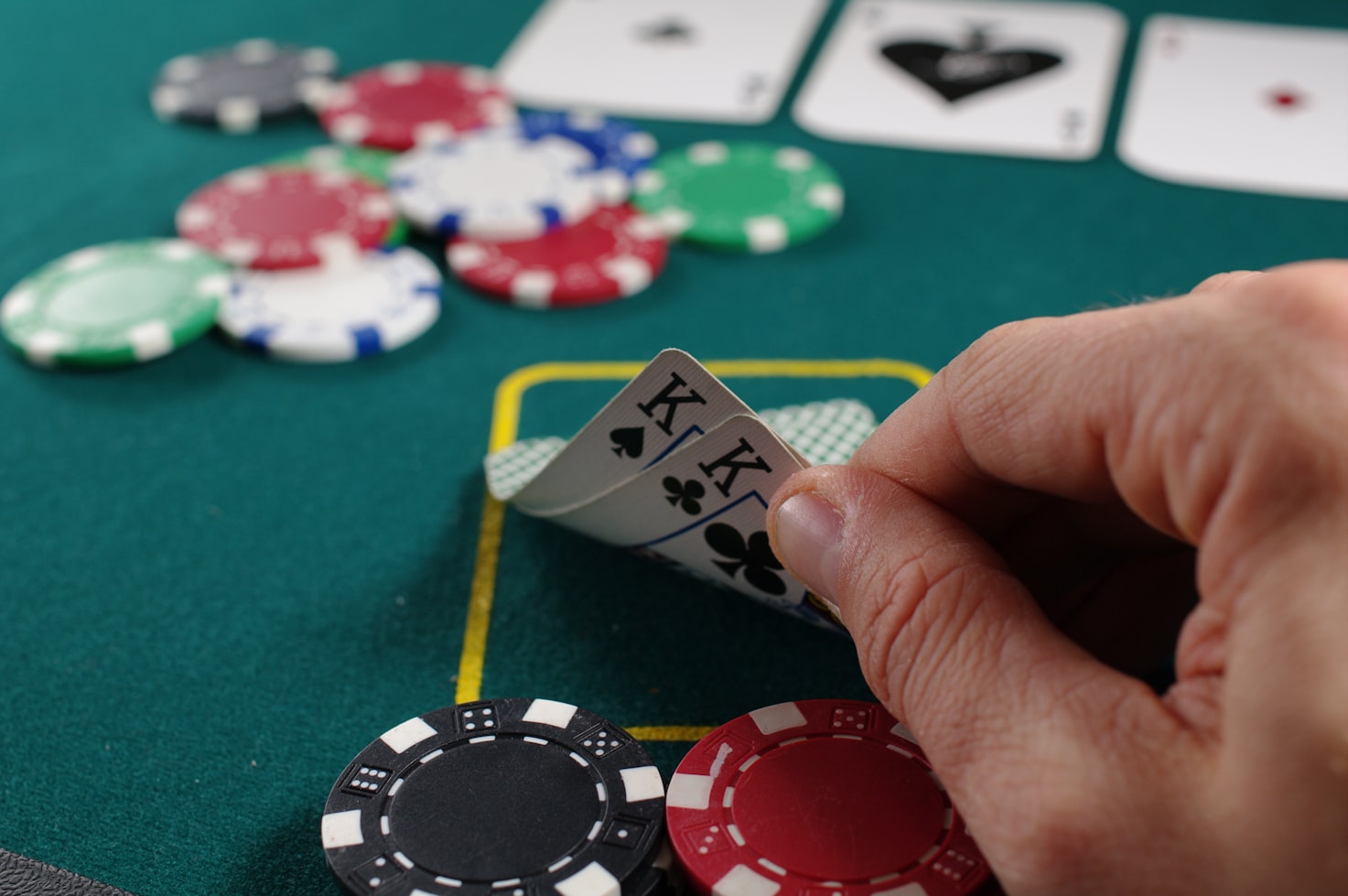
Moreover, addiction to gambling is a serious outcome rooted in the psychology of risk-taking. As individuals continue to seek out the euphoric highs tied to their winnings, they may develop a tolerance, compelling them to gamble more aggressively to experience the same thrill. This pathological behavior can foster a dependency on gambling as a primary source of excitement, mirroring other forms of addiction. It is imperative for gamblers to recognize these signs and seek assistance if they find themselves unable to control their gambling tendencies.
Understanding the psychology behind risk-taking can empower individuals to make informed decisions when engaging in gambling activities. By recognizing the cognitive biases and social influences that can cloud judgment, players can adopt a more responsible approach to gambling. Setting personal limits, being aware of triggers, and comprehending the true odds of games can facilitate a healthier relationship with gambling, enabling individuals to enjoy the excitement without succumbing to destructive patterns.
Understanding responsible gambling
Responsible gambling is a vital concept that emphasizes the necessity for players to engage in gambling activities in a manner that minimizes negative consequences. Comprehending the psychology behind risk-taking is instrumental in adopting responsible practices. Gamblers must recognize when their behavior is influenced by cognitive biases or social pressures, enabling them to make more informed choices. This awareness is crucial for maintaining a balanced perspective on risk-taking in casinos.
Many casinos and gambling organizations actively promote responsible gambling initiatives, offering resources and tools to help players stay within their limits. Educational programs that raise awareness about the psychological aspects of gambling empower players to identify signs of problematic behavior early on. By implementing strategies such as setting time and spending limits, individuals can revel in the thrill of gambling while avoiding the pitfalls of excessive risk-taking.
Ultimately, cultivating an understanding of one’s behavior and motivations can lead to healthier gambling practices. Players are encouraged to reflect on their experiences, acknowledging that while the thrill of risk can be enticing, it is essential to balance it with personal responsibility. By embracing a mindful approach to gambling, individuals can foster a more positive relationship with the activity, ensuring that it remains a source of enjoyment rather than distress.

